Material identification
Customs, CITES and disputed materials
A single technical question decides a great many cases: is this what it is said to be? Answering it in writing, with reasons, is the work that most often crosses borders.
Customs classification
Duty rates, import restrictions and clearance all turn on what the goods actually are. Whether a fur trim is animal or synthetic, whether a hide is bovine or ovine, whether a garment is predominantly one fibre or another — these determine the tariff heading, and a wrong answer holds up a consignment or produces an assessment nobody expected.
What I establish
Nature of the material, species where determinable, dressing and treatment, proportions in a composite article, and whether the description on the accompanying documents matches the goods examined.
Who instructs me
Art and freight shippers, customs agents, importers, auction houses and maisons de luxe. Examination usually takes place at the bonded warehouse, so the goods do not move.
CITES and protected species
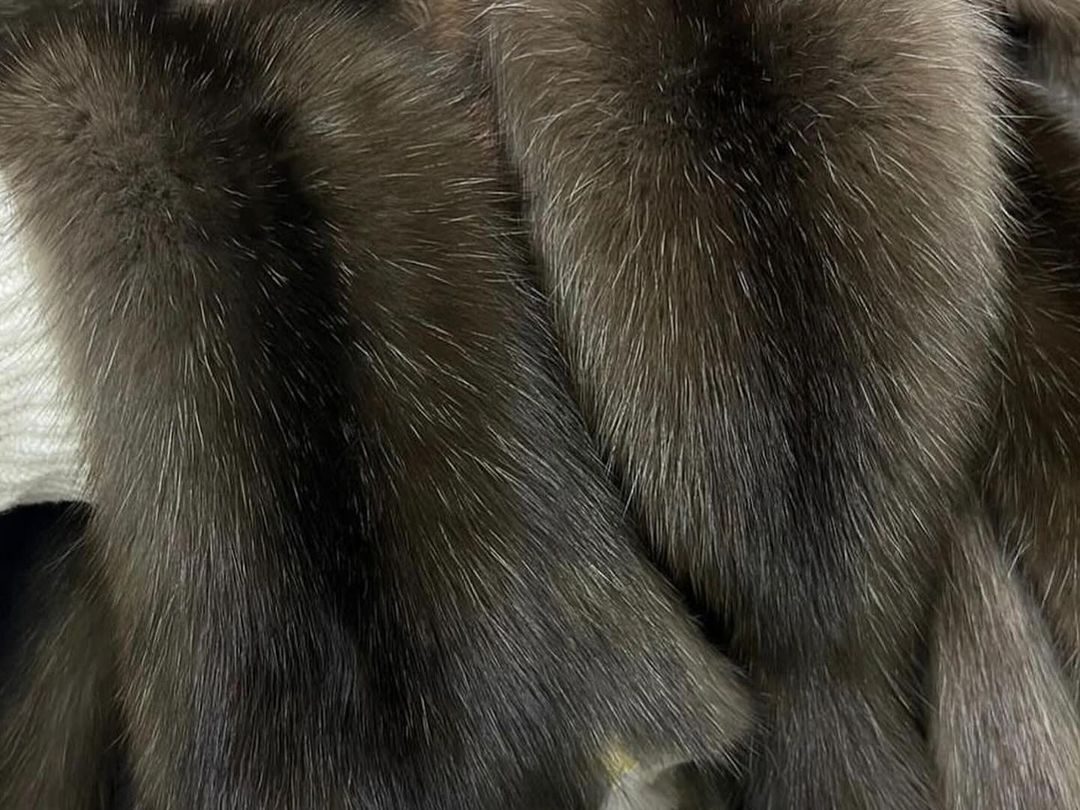
The fur and leather trades touch a long list of species protected under the Convention on International Trade in Endangered Species. Vintage pieces are the difficulty: a coat made in 1968 may contain a species that could not be traded today, and the paperwork almost never survives the owner.
Identification
Determining, on visual and structural examination, whether an article contains a species falling within CITES appendices, and reporting what can and cannot be established without laboratory testing.
Age and antiquity
Establishing the probable period of manufacture, which is often the point on which a pre-Convention exemption depends. Cut, construction, linings, labels and dressing technique all date a piece.
I identify and I date. I do not issue permits, and I do not advise on whether an exemption should be granted — that is for the competent authority.
Disputed goods and labelling
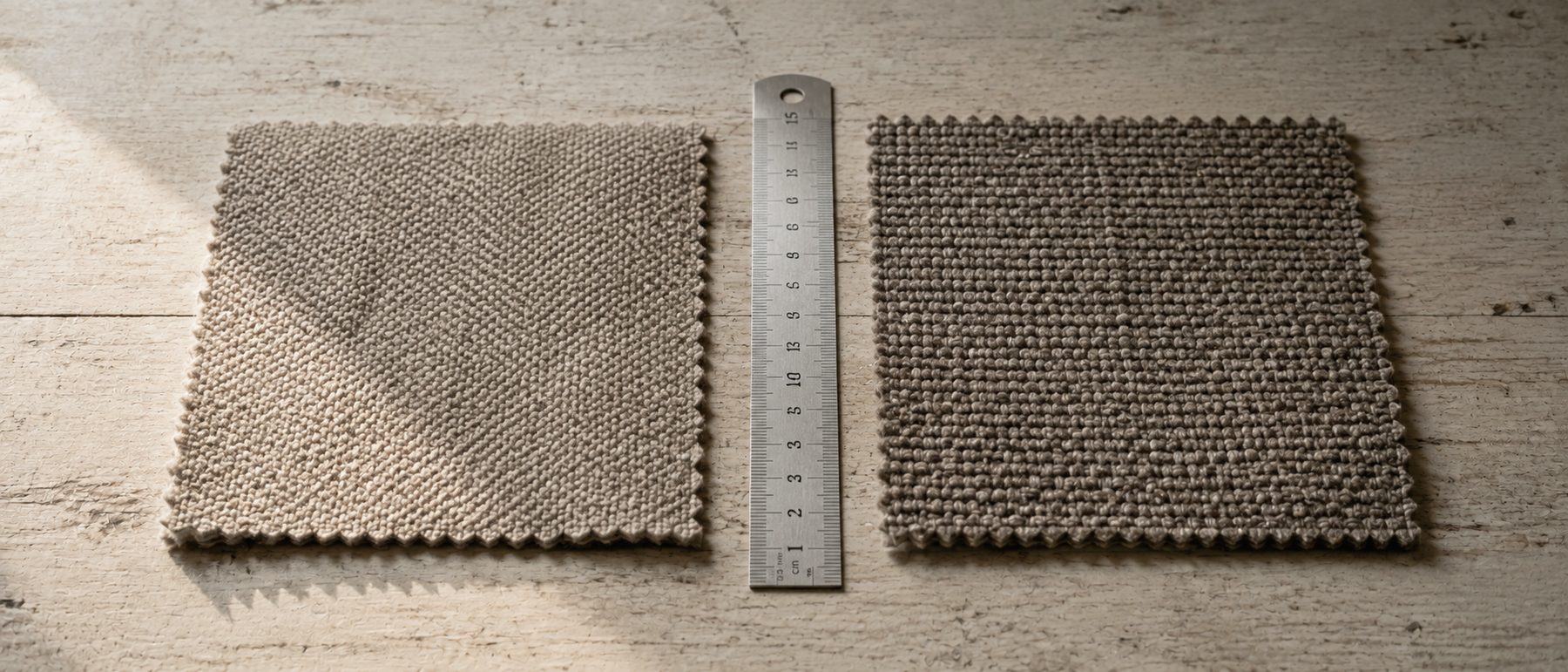
Goods sold as one thing and delivered as another; a treatment that damaged the article; a workshop that disputes responsibility; a label that does not describe the content.
The technical question
Real nature of the material, conformity with the contractual description, quality of the making, and the causal link between a given treatment and the damage observed.
The report
Findings and conclusions kept strictly apart. Photographic appendices. Where a point cannot be established without destructive testing or laboratory analysis, the report says so rather than guessing.